Endangered Species in Focus
European Pond Turtle
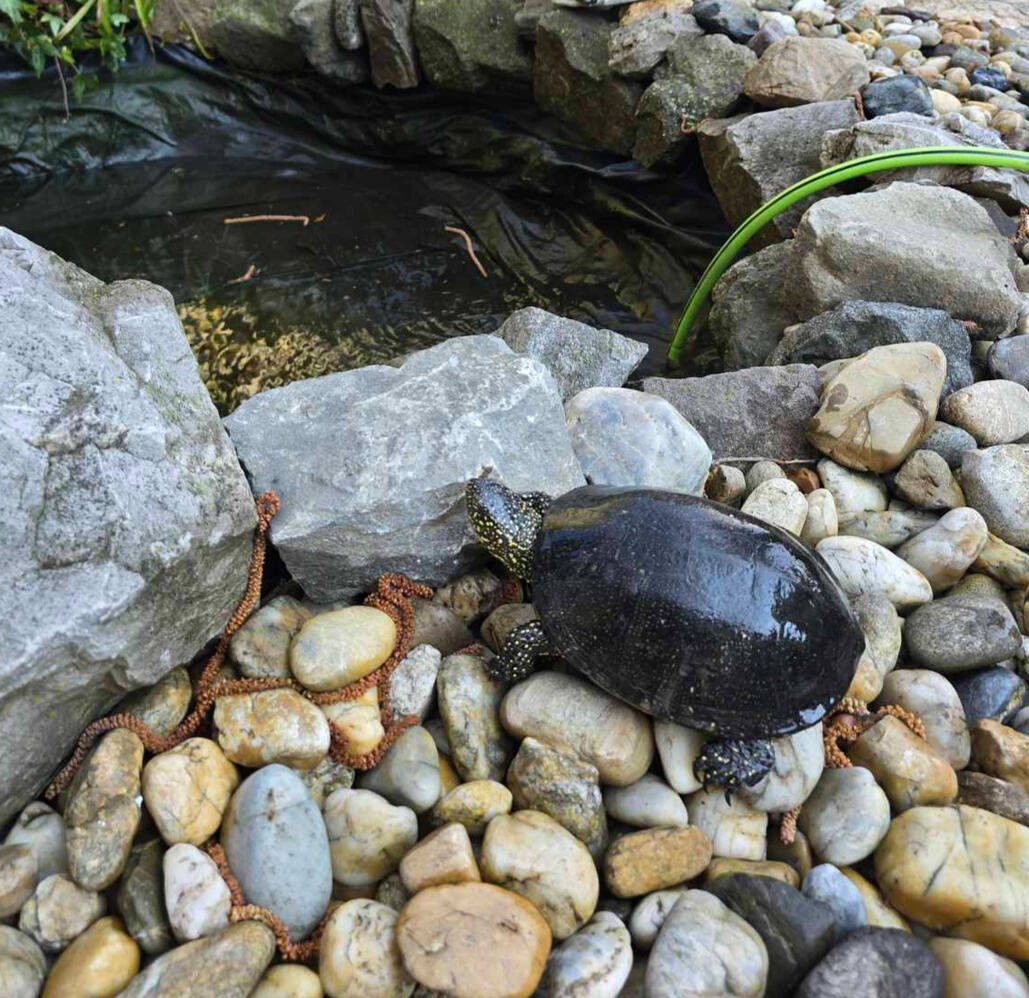
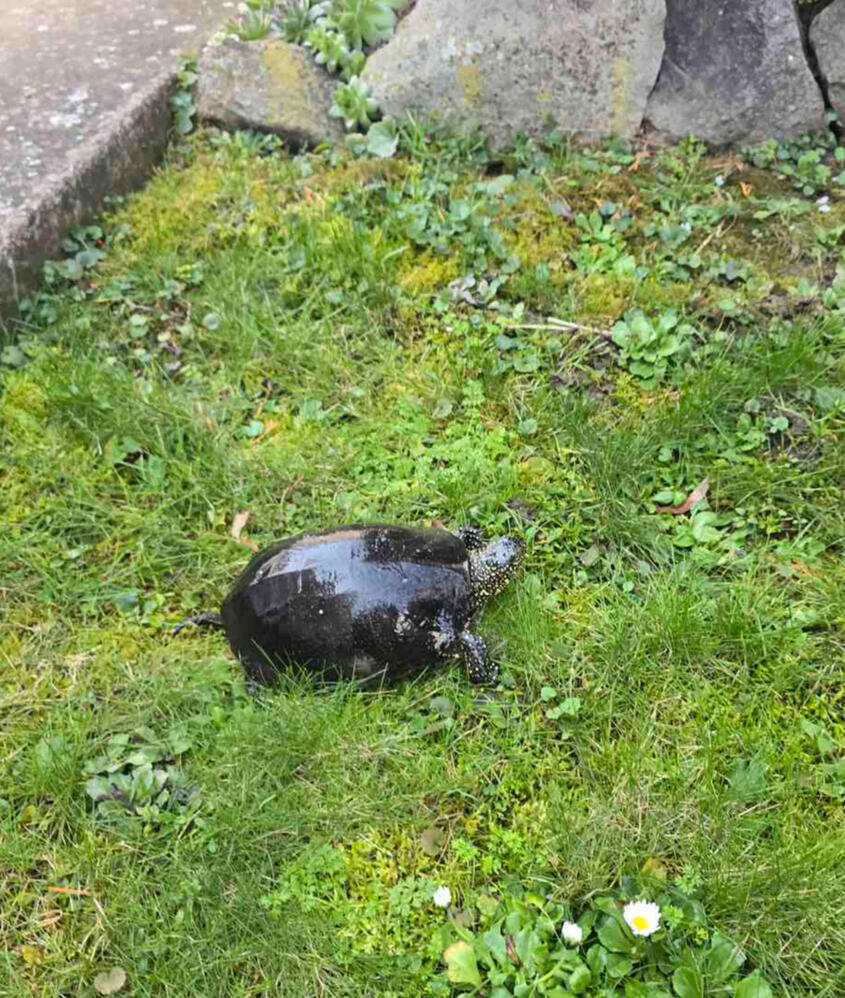
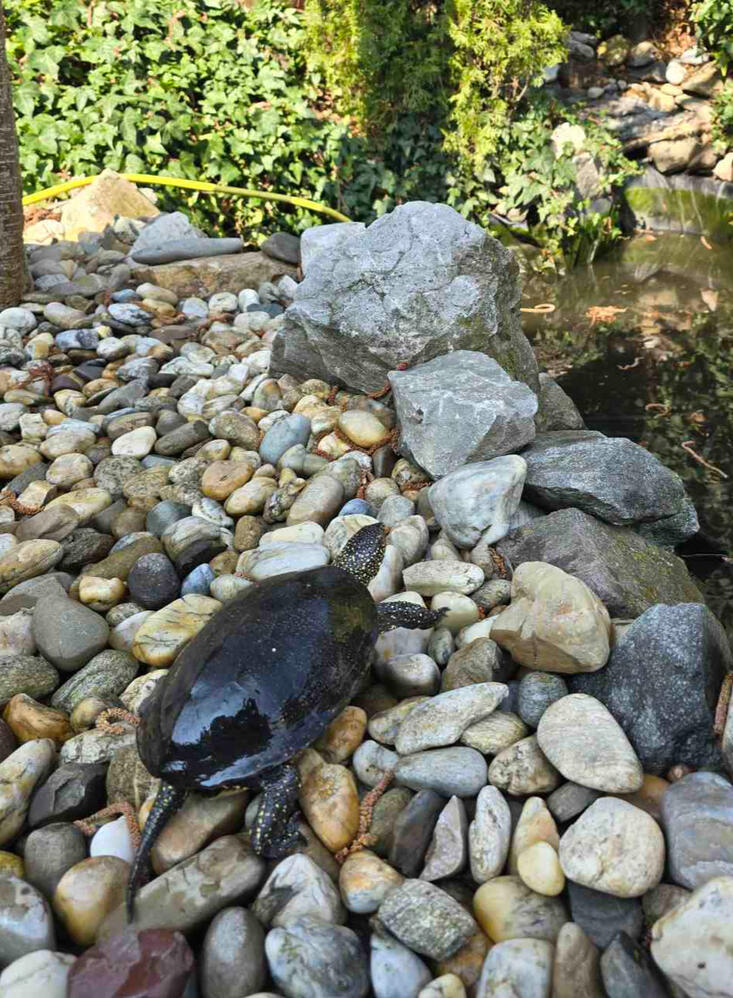
Prije nekoliko godina učenici su u školu donijeli barsku kornjaču. Od tada, u našem malom jezeru unutar školskog dvorišta žive barske kornjače u simbiozi s ribama i močvarnim biljkama. Ovaj mali ekosustav postao je vrijedan dio školskog okoliša i koristan izvor znanja za sve učenike. Naša je namjera u budućnosti vratiti barske kornjače u njihovo prirodno stanište, gdje će nastaviti svoj život u slobodnoj prirodi.
Na poveznici možete pogledati našu kornjaču!A few years ago, students brought a European pond turtle to school. Since then, pond turtles have been living in our small schoolyard lake, in symbiosis with fish and wetland plants. This small ecosystem has become a valuable part of our school environment and a great learning opportunity for students. Our intention is to return the turtles to their natural habitat in the future, where they can continue their lives in the wild.
You can see our turtle at the link.
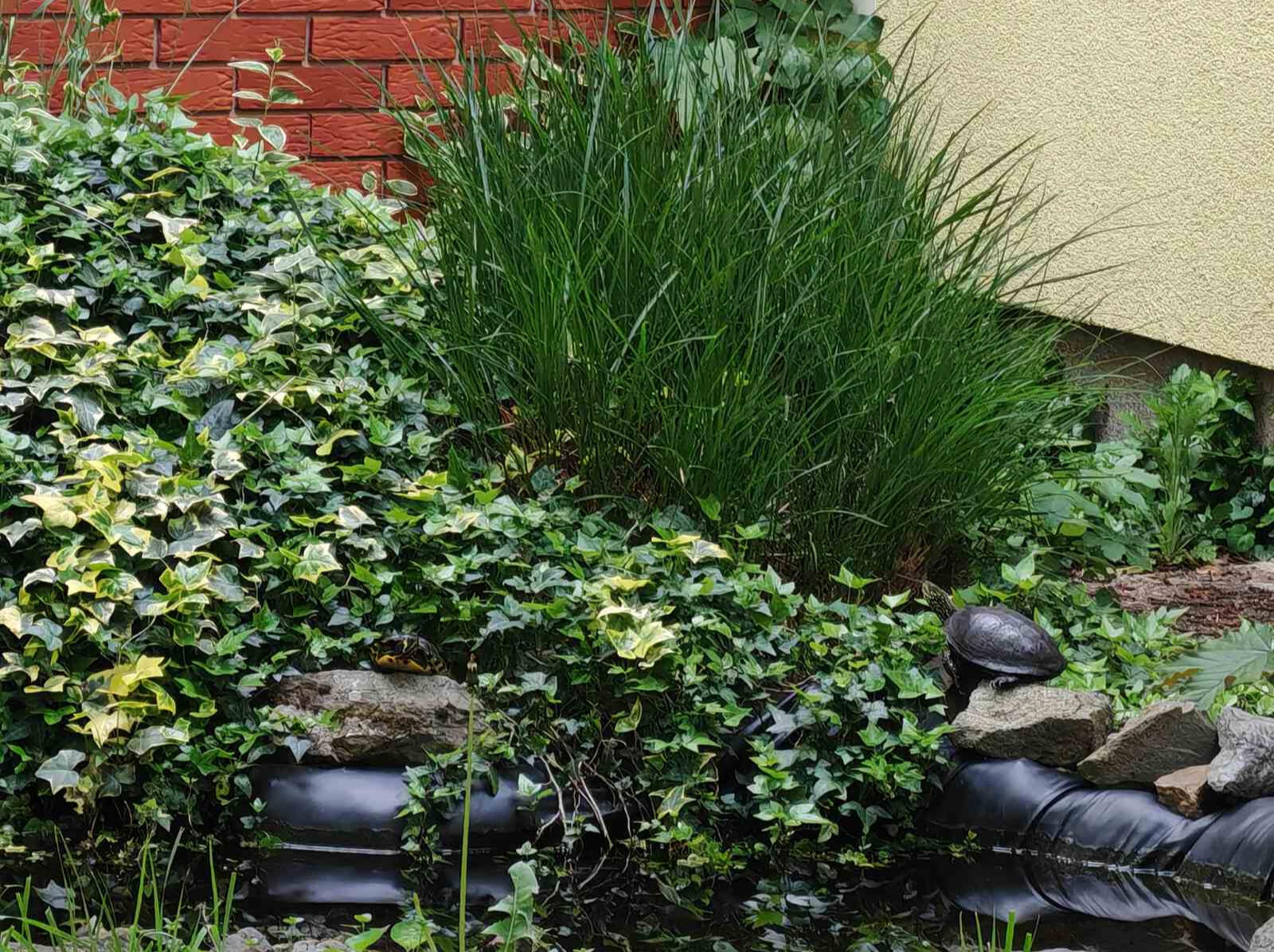
The pond turtle in our school pond, called Ninja.
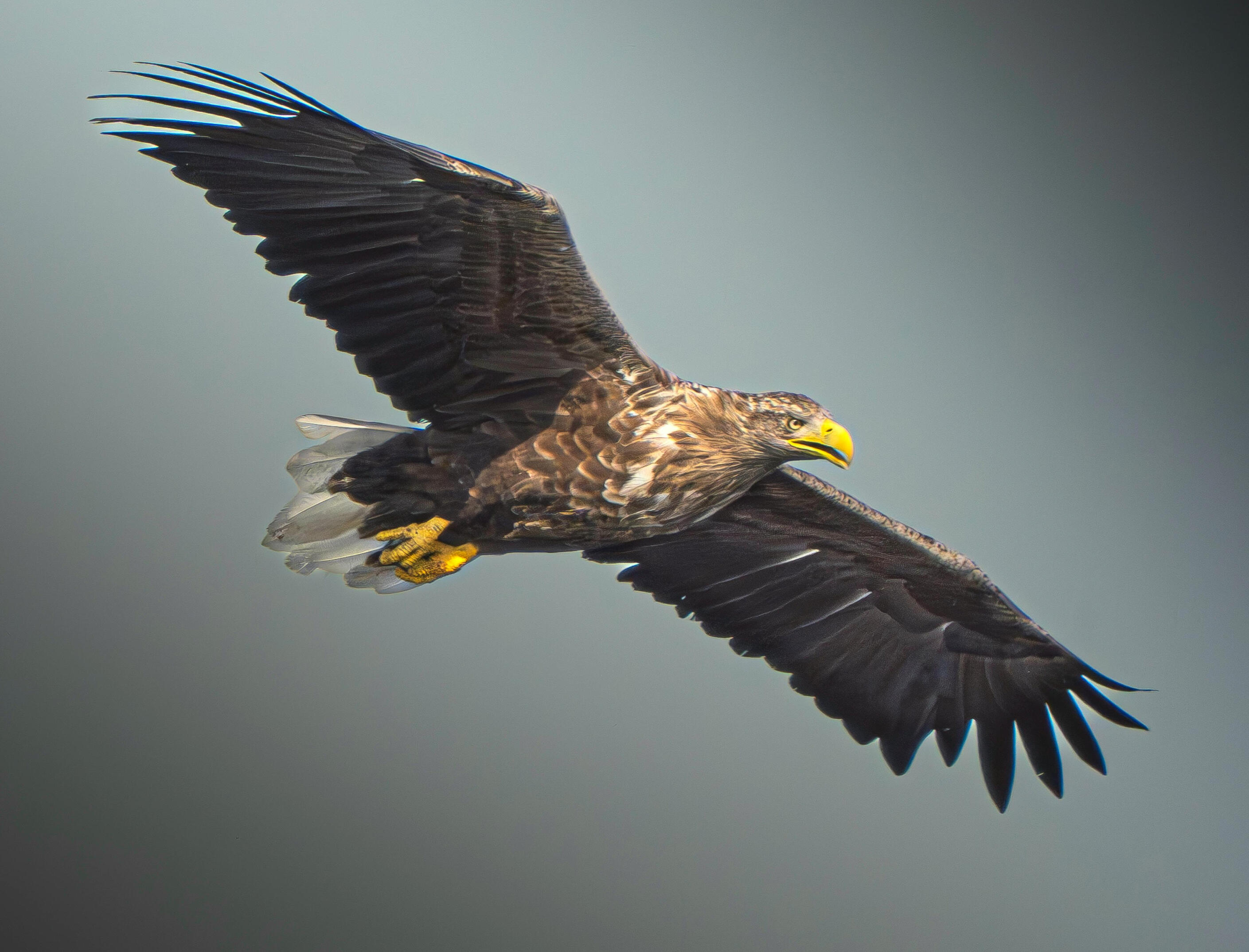
Orao štekavacOrao štekavac (Haliaeetus albicilla) najveća je ptica grabljivica u Hrvatskoj i Europi. Raspon krila mu doseže i do 2,5 metra, a prepoznatljiv je po snažnom kljunu i bijelom repu kod odraslih jedinki. Nastanjuje područja uz velike rijeke, jezera i močvare, gdje ima dovoljno ribe i vodene peradi kojom se hrani. U Hrvatskoj ga najviše nalazimo u nizinskim šumama uz rijeke Dravu, Savu i Dunav. Zbog smanjenja staništa i trovanja u prošlosti bio je ugrožen, no danas se brojnost populacije polako oporavlja zahvaljujući zaštiti i uključivanju u mrežu Natura 2000. Orao štekavac simbol je snage i slobode te važan pokazatelj očuvanosti prirode.White-tailed Eagle (Haliaeetus albicilla) is the largest bird of prey in Croatia and Europe. Its wingspan can reach up to 2.5 meters, and it is easily recognized by its powerful beak and the white tail of adult birds. It inhabits areas along large rivers, lakes, and wetlands, where it finds plenty of fish and waterfowl to feed on. In Croatia, it is mostly found in the lowland forests along the Drava, Sava, and Danube rivers. Due to habitat loss and poisoning in the past, it was once endangered, but today its population is slowly recovering thanks to protection measures and its inclusion in the Natura 2000 network. The White-tailed Eagle is a symbol of strength and freedom, and an important indicator of a healthy natural environment.
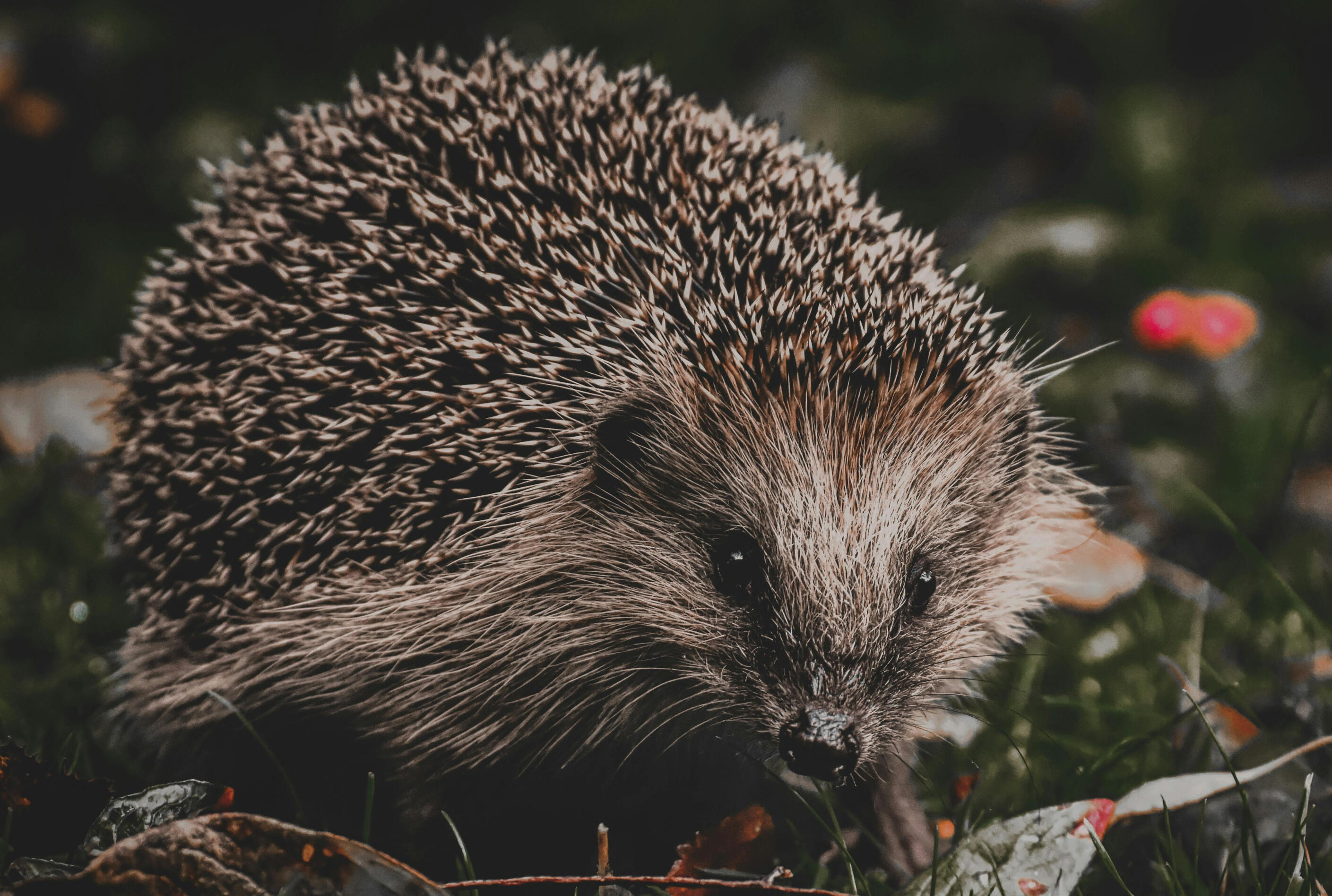
West-European HedgehogThis is the only native species in the United Kingdom and as sadly now classed as vulnerable due to an increase in road traffic and habitat loss. Our pupils have been mapping the location of hedgehogs around our school as well as in the wider Greater Manchester region. Teachers have helped us to capture footage of hedgehogs in their natural environment and we have enjoyed taking part in the community science project titled ‘Spot a hog’ which provides vital information about the number of hedgehogs and other species across England.Link to hedgehog footage:Zapadnoeuropski ježOvo je jedina autohtona vrsta u Ujedinjenom Kraljevstvu, a nažalost se danas smatra ranjivom zbog povećanog cestovnog prometa i gubitka staništa. Naši učenici mapirali su lokacije ježeva u okolici škole, ali i na širem području Velikog Manchestera. Učitelji su nam pomogli zabilježiti snimke ježeva u njihovu prirodnom staništu, a s velikim smo zadovoljstvom sudjelovali u znanstvenom projektu zajednice pod nazivom Spot a hog, koji pruža dragocjene podatke o brojnosti ježeva i drugih vrsta diljem Engleske.Link na video o ježu:
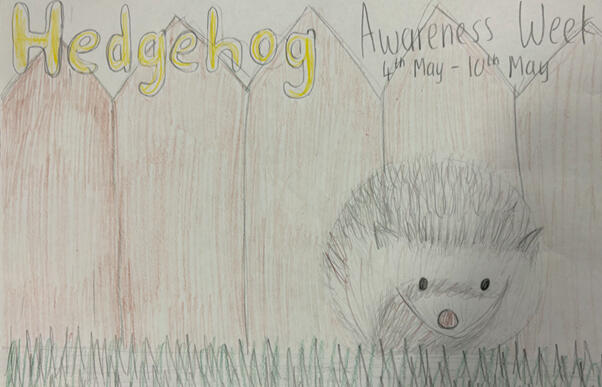
During Hedgehog Awareness in May our students created posters and an awareness campaign to help the wider community learn more about this incredible species and how it can be protected.
Slow worms
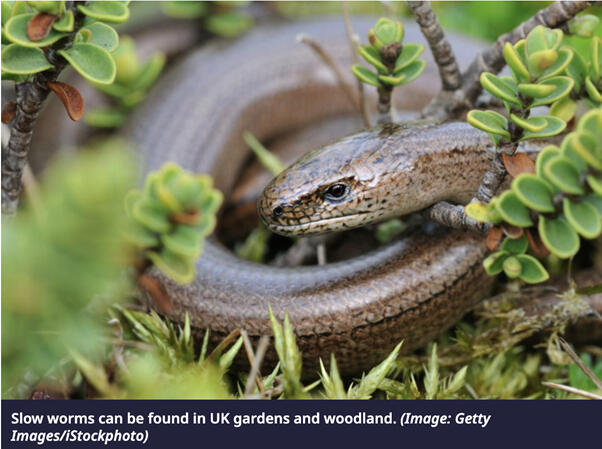
The common slow worm has been spotted in the past in Rochdale (in 2017) but more recently our local naturalist group hasn’t recorded any sightings. Although they look like snakes they are actually headless lizards and enjoy keeping warm in our garden compost heaps.SLJEPIĆ
Obična sljepić gušterica uočena je u Rochdaleu 2017. godine, no u novije vrijeme naša lokalna prirodoslovna udruga nije zabilježila nova opažanja. Iako izgledom podsjeća na zmiju, zapravo je riječ o beznogom gušteru koji se najradije grije u vrtnim kompostištima.